Comment

What Employers Miss When They Skip Endorsement Verification

Endorsement and reference verification is often treated as optional when hiring teams are under pressure to move fast. But skipping it creates a major blind spot, especially in enterprise, education, and government roles where trust is non-negotiable. References can reveal behavioral patterns, credibility gaps, and workplace misconduct risks that traditional checks don’t catch. High-fidelity endorsement verification strengthens governance, reduces cultural mis-hires, and supports defensible hiring decisions.

Comment

Comment

Why Authenticity Metrics Are Becoming the Gold Standard in HR

HR teams are no longer judged only on hiring speed, they’re judged on defensibility. In regulated industries, traditional background checks can leave blind spots because they confirm information without validating data quality. Authenticity metrics change that by making trust measurable through verified identity, authenticated credentials, and documented audit trails. With Talent.IQ, KENTECH helps organizations operationalize ethics and prove hiring integrity with evidence.

Comment

Comment

When the Applicant’s Address History Hides a Pattern of Risk

Address history is often treated as a minor detail, but patterns in residency can signal identity risk, legal exposure, and potential fraud. Unverified addresses, unusual gaps, or frequent movement across jurisdictions may indicate attempts to obscure identity or avoid detection. Talent.IQ elevates address verification through cross-validation, anomaly detection, and actionable reporting, helping organizations make defensible hiring decisions in high-trust environments.

Comment

Comment

How to Use CrimIQ to Support Second-Chance Hiring With Confidence

Second-chance hiring is now a strategic workforce priority, but traditional criminal screening often creates barriers through incomplete records and inconsistent interpretation. CrimIQ supports fair chance hiring by validating records, distinguishing arrests from dispositions, and delivering structured insights for individualized assessment. The result is a screening process that protects duty of care while enabling equitable, defensible hiring decisions at scale.

Comment

Comment

When Document Analysis Reveals More Than the Candidate Intended

Credentials today are more than PDFs, they carry metadata, formatting signals, and contextual inconsistencies that traditional screening can miss. In regulated environments, these hidden discrepancies can create compliance exposure and undermine trust. Modern document analysis brings a deeper layer of verification, identifying anomalies early while supporting fairness, transparency, and audit-ready decision-making.

Comment

Comment

One Role, Two Realities: When a Resume and Assessment Tell Different Stories

A strong resume can still hide major risks. Resumes and interviews rely on self-reported information, which makes hiring vulnerable to exaggeration, omissions, and fraud. In regulated industries, the cost of trusting unverified claims can include compliance exposure, reputational harm, and operational disruption. With higher scrutiny and AI-generated applications increasing the noise, employers need high-fidelity screening that verifies credentials, identity, and history, not just what a candidate says on paper.

Comment

Comment

The Hidden Risk in “Fast Hiring”: Why Speed Without Verification Breaks Compliance

Hiring teams are being pushed to move faster than ever, but speeding up without proper verification creates hidden compliance and reputational risk. In regulated industries, incomplete screening isn’t just a process flaw, it’s a governance failure. A unified screening platform helps organizations maintain hiring velocity while improving accuracy, documentation, and defensibility across every role and location.

Comment

Comment

What a Clean National Check Might Be Hiding at the Local Level

A clean national background check can create false confidence. Many jurisdictions don’t report consistently to national databases, and delays or missing records often leave out critical risk signals. Misdemeanor convictions, pending charges, local protective orders, and administrative actions may only appear at the county or municipal level. Without local visibility, organizations may make high-impact hiring and credentialing decisions based on incomplete data, exposing them to preventable governance, legal, and reputational risk.

Comment

Comment

The New Screening Standard: Why “Candidate Experience” Now Includes Compliance

Candidate experience is no longer just about faster hiring. In regulated industries, candidates judge organizations by how consistent, transparent, and professional the screening process feels. Fragmented screening programs create delays, confusion, and uneven treatment across states, which leads to drop-off and distrust. A unified, policy-aware platform helps standardize compliance workflows across jurisdictions, improving fairness, defensibility, and candidate confidence.

Comment

Comment

How to Handle Drug Testing Across Multiple States With One Platform

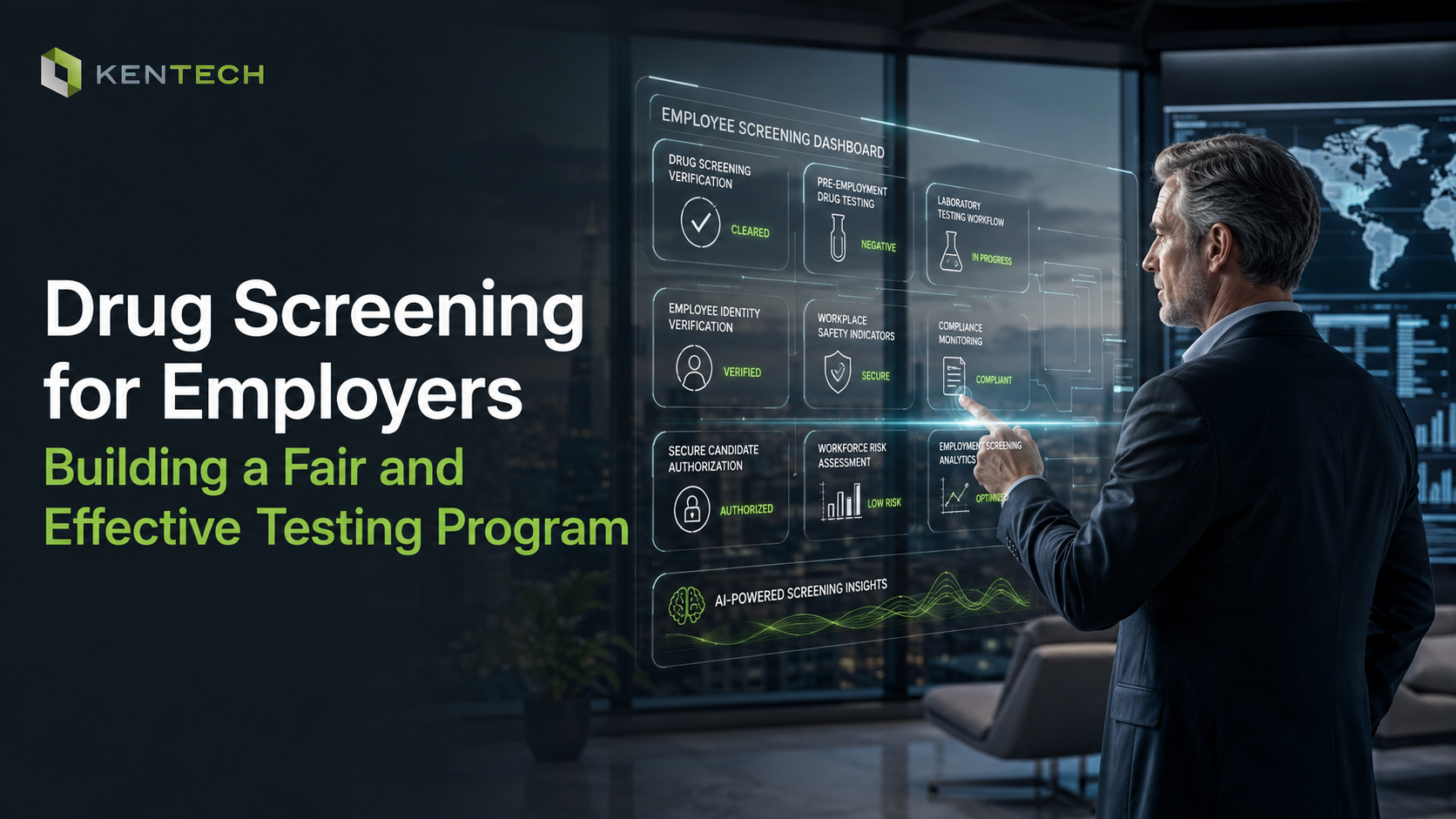
Managing drug testing across multiple states isn’t just an operational challenge, it’s a compliance risk. With different statutes on testing triggers, consent language, reporting timelines, and record retention, fragmented systems can create costly gaps. A unified, policy-aware platform brings consistency, reduces errors, and helps organizations maintain visibility and audit-ready documentation across every jurisdiction.

Comment

Comment

One Role, Two Realities: When a Resume and Assessment Tell Different Stories (Copy)

In modern hiring, resumes and reality don’t always align. As organizations face increasing pressure to hire quickly without compromising trust, the gap between what candidates claim and what screening reveals has become a critical risk. This article explores how comprehensive, high-fidelity assessments expose discrepancies that resumes miss—and why validated screening has become a governance standard for organizations committed to integrity, compliance, and long-term performance.

Comment

Comment

Using AI to Read Between the Likes, Comments, and Shares

As digital behavior increasingly shapes professional identity and institutional risk, organizations can no longer rely on manual reviews or keyword-based social screening. This article explores how AI-driven analysis interprets patterns, context, and behavior across social activity—transforming unstructured digital signals into defensible insight. By embedding transparency, consistency, and governance into screening, modern institutions can manage reputational risk responsibly while preserving trust and accountability.

Comment

Comment

How AI Detects Fake Job Titles Before They Reach Your Hiring Manager

As resume fraud grows more sophisticated, inflated or fabricated job titles have become one of the most damaging—and hardest to detect—forms of misrepresentation. This article explores how AI-driven screening identifies false employment claims before they reach hiring managers, protecting organizations from leadership failures, compliance exposure, and reputational harm. By applying contextual intelligence to employment history, modern screening platforms are redefining how trust is built in hiring.

Comment

Comment

Building Trust at Scale: Modern Screening for Sensitive Contractor Roles

As governments and enterprises increasingly rely on external contractors for sensitive roles, the risks tied to trust, access, and compliance have never been higher. Traditional, one-size-fits-all screening models leave dangerous gaps—especially in high-security environments. This article explores how KENTECH’s Talent.IQ enables a modern, tiered approach to contractor screening, allowing organizations to scale securely while maintaining precision, accountability, and regulatory confidence.

Comment

Comment

What We Learned From 1,000 Reference Checks That HR Teams Missed

After analyzing more than 1,000 professional reference checks conducted through KENTECH’s Talent.IQ platform, a clear pattern emerged: traditional hiring practices are missing critical behavioral, performance, and credibility signals. While resumes and interviews focus on presentation, structured reference intelligence reveals how candidates actually perform when stakes are real. This article breaks down what HR teams commonly overlook—and how verified, data-led reference checks turn hiring into a strategic advantage rather than a risk.

Comment

Comment

How One Startup Avoided a PR Crisis Using SocialIQ Pre-Screening

In a digital-first hiring landscape, a single overlooked red flag can escalate into a full-blown reputational crisis. This case explores how one fast-growing startup avoided public backlash and internal disruption by using SocialIQ pre-screening to surface hidden risk signals traditional hiring methods missed. The result wasn’t just averted damage—it was a turning point in how the company defined integrity, trust, and responsible growth.

Comment

Comment

From Admissions to Employment Records and Where Truth Breaks Down

In a world where data is plentiful but trust is increasingly fragile, organizations face a critical challenge: determining which credentials can truly be trusted. From falsified degrees to inflated job histories, inaccuracies in academic and employment records pose serious strategic, reputational, and regulatory risks. As traditional screening methods fall short, intelligence-driven verification has become essential. This article explores where truth breaks down in admissions and hiring—and how precision, data-led screening restores confidence.

Comment

Comment

How IdentityIQ Flags Non-Obvious Identity Collisions in High-Volume Hiring

In high-volume hiring, multiple candidates can share similar names, dates of birth, or credentials — creating identity collisions that traditional background checks miss. These non-obvious overlaps can lead to misidentification, compliance risk, and misplaced trust. IdentityIQ helps organizations surface subtle identity conflicts quickly, providing deeper clarity in fast-moving hiring environments.

Comment